

Caviar on Sushi: The Luxury Topping Elevating CT's Fine Dining Scene
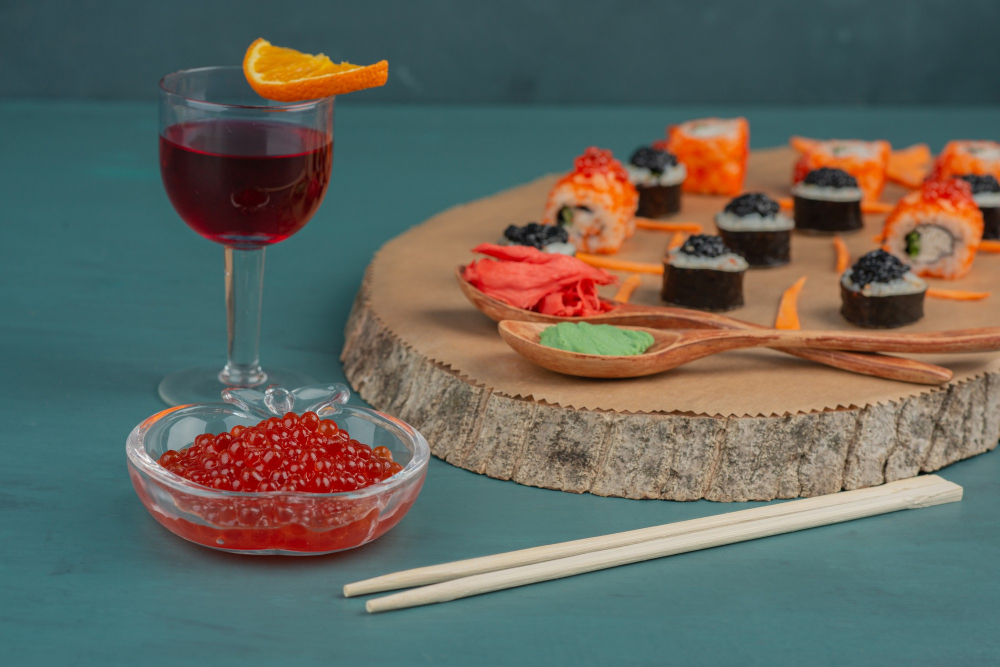
Caviar and sushi have both been considered luxury foods for a long time, but for most of their histories they existed in separate dining worlds. Caviar belonged to white tablecloth restaurants with long wine lists. Sushi belonged to its own tradition, with its own rituals and standards. Somewhere along the way, chefs started putting the two together, and the combination turned out to work better than most people expected.
If you've been seeing caviar show up on sushi menus more often lately, you're not imagining it. Caviar sushi Southport diners are ordering has become a real part of the local fine dining conversation, and there are good reasons why it caught on so quickly.
Why Caviar Works on Sushi
On paper, topping a delicate piece of nigiri with caviar sounds like it could easily go wrong. Both ingredients have strong identities. Sushi is built around restraint, rice, and the natural flavor of fish. Caviar brings a salty, briny punch that could easily overwhelm everything underneath it.
The reason it works is because the two actually balance each other when the right fish is chosen. Fatty cuts like tuna or scallop have enough richness to hold up against the salinity of caviar without getting lost. The caviar adds a pop of texture and a burst of flavor that punctuates the bite rather than covering it up.
The Texture Contrast
A lot of what makes caviar sushi interesting to eat comes down to texture. Nigiri already plays with contrast, combining the soft, seasoned rice at the base with the smooth or firm texture of the fish on top. Adding caviar introduces a third element, tiny, firm pearls that burst when you bite into them. That contrast is part of what makes the combination feel like more than just a topping.
Salinity & Fat
Caviar is salty by nature, and fat absorbs salt in a way that lean protein doesn't. This is why you'll typically see caviar paired with fattier cuts of fish rather than leaner ones. A piece of bluefin tuna belly with a small spoonful of caviar on top hits differently than the same caviar on a thin slice of white fish. The fat in the tuna brings the salt into balance, and the two flavors round each other out.
The Role of Quality in This Pairing
The pairing only works when both ingredients are good. Low-quality caviar on mediocre fish doesn't produce a luxury experience. It just produces an expensive one. Kitchens that do this well are sourcing both the fish and the caviar with the same level of care.
What to Look for in Caviar Sushi
When you're ordering caviar sushi at a restaurant, a few things signal that the kitchen is taking it seriously. The caviar should be applied sparingly, just enough to complement the fish without burying it. The fish underneath should be able to carry its own flavor, so that the caviar acts as a finishing touch rather than a cover for something less impressive. And the rice, as always, matters more than most people realize.
Why Sourcing Matters More With Luxury Ingredients
With everyday ingredients, a small drop in quality is easier to mask. With something like caviar paired with high-grade sushi fish, there's nowhere to hide. Diners paying a premium for this kind of dish are paying attention, and a kitchen that cuts corners on ingredient quality tends to get found out quickly.
How Caviar Sushi Fits Into CT's Fine Dining Scene
Connecticut's fine dining scene has been growing quietly for a while, and Fairfield County has been a big part of that growth. Towns along the shoreline have attracted chefs who came up in serious kitchens and wanted to bring that level of craft somewhere smaller and less crowded than New York City.
Caviar sushi sits right at the intersection of that trend. It requires real technique to pull off well, it uses premium ingredients, and it appeals to diners who are actively looking for something beyond a standard sushi menu. For a county where that kind of diner shows up regularly, it makes sense that this pairing has found an audience.
The Shift Toward More Thoughtful Menus
Part of why caviar sushi has worked here is that the dining public in this area has become more food literate over time. People know what good nigiri is supposed to taste like. They understand the difference between quality caviar and the jarred stuff. When a kitchen puts both on the same plate and does it well, diners notice.
This shift toward more thoughtful, ingredient-driven menus has been one of the defining features of Fairfield County's food scene over the past several years. Caviar sushi is just one visible sign of that shift.
When to Order It & When to Skip It
Not every occasion calls for caviar sushi, and not every restaurant offering it is doing it justice. Here are a few thoughts on how to approach it.
Order it when you're in a restaurant where you already trust the quality of the fish. If the standard nigiri is good, the caviar sushi is likely worth trying. Skip it if the menu feels padded with premium-sounding items that don't quite deliver. A long list of luxury add-ons can sometimes signal a kitchen that's chasing price points rather than building genuine dishes.
Pairing It With a Drink
Caviar and sake work well together because sake tends to be lower in tannins than wine, which lets the delicate flavors of both the caviar and the fish come through more clearly. A clean, dry junmai will complement the briny quality of the caviar without competing with it. If sake isn't your preference, a light, dry sparkling wine is the other classic pairing and it works for similar reasons.
The Bigger Picture
Caviar sushi isn't a gimmick when it's done with real intention. It's a pairing that makes culinary sense, brings two luxury ingredients together in a way that's greater than the sum of its parts, and signals something real about what a kitchen is trying to do.
If you haven't tried it yet, and you come across caviar sushi Southport restaurants are offering at a place you already trust, it's worth ordering at least once. The combination tends to speak for itself.